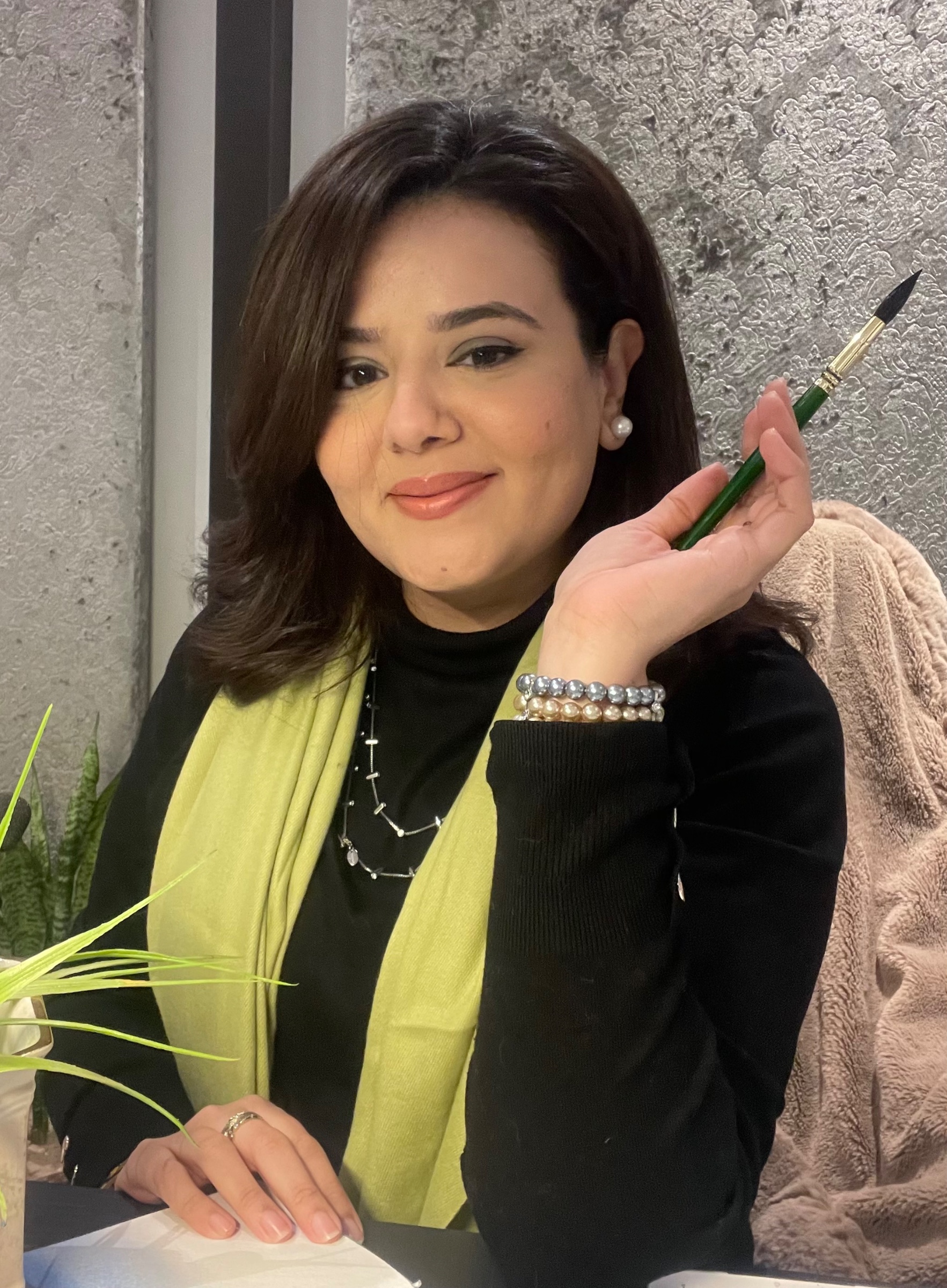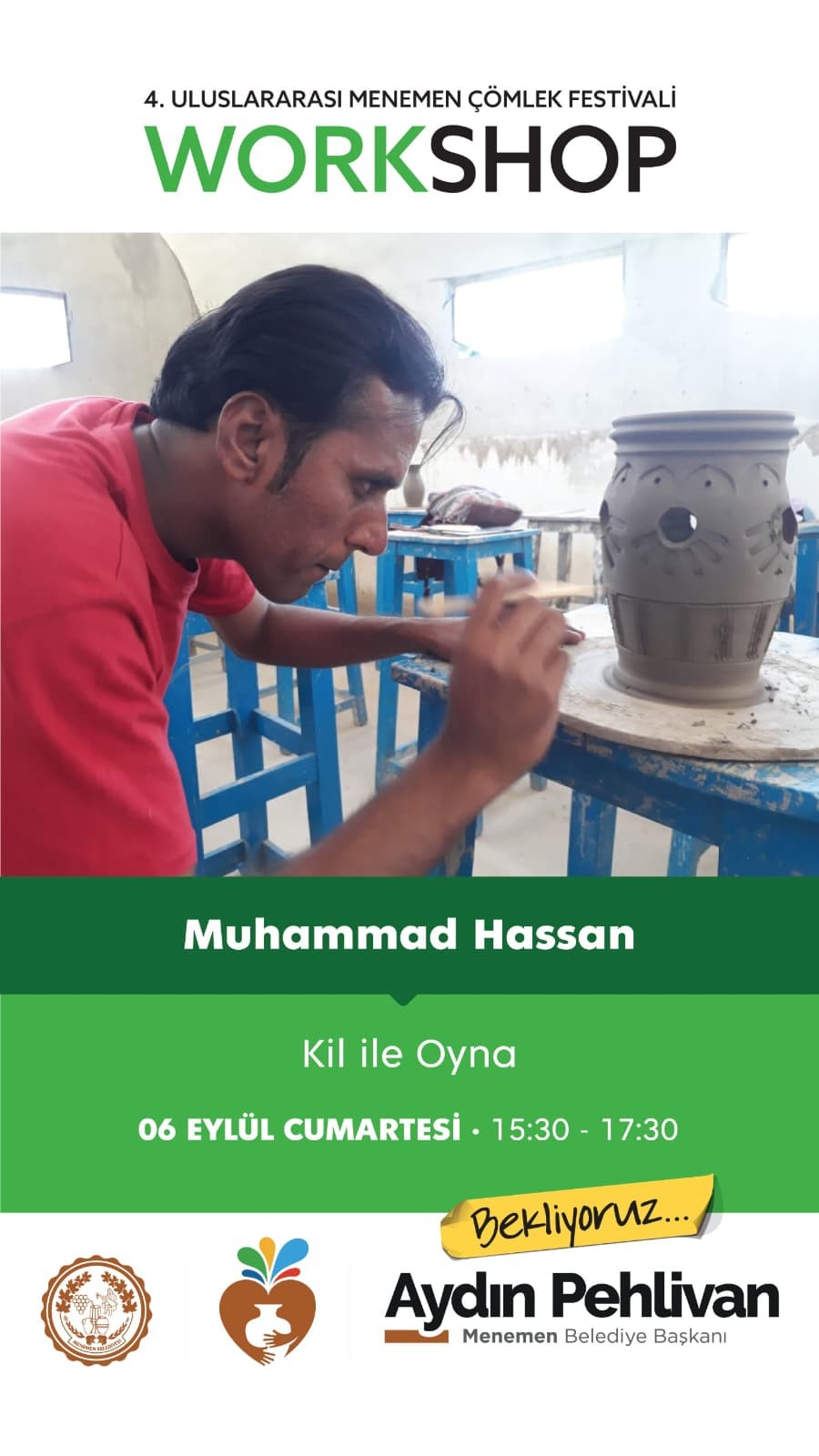
Hassan kashigar
"This piece comes from a family that has practiced Kashi Kari for 480 years, so you're not just buying tile—you're holding eight generations of uninterrupted craft." "Hassan Kashigar's work carries…
Read more about Hassan kashigar →Currently available
Studio is between pieces
Hassan kashigardoesn't have anything live right now. Check back soon, or follow Maestra for new arrivals.
About Hassan kashigar
+
A legacy of 480 years in Kashi Kari (traditional Persian/Islamic tile work) is extraordinary. Your family has preserved an unbroken line of craftsmanship that spans generations, witnessing centuries of cultural and artistic evolution. From what you’ve described, your current work beautifully bridges: Heritage techniques (Kashi Kari, traditional pottery, calligraphy on ceramics) Expanded applications (mosaic tiles, wall murals) Modern functionality (functional pottery alongside decorative pieces) That’s rare and valuable. Many traditional craftspeople either strictly preserve the old forms or abandon them entirely. You seem to be practicing living tradition — keeping the soul intact while letting the work serve present-day needs. Would you like help with any of these specific areas? Documenting / presenting your 480-year family legacy (for websites, portfolios, or grants) Marketing or storytelling to connect contemporary clients with the depth of your tradition Technical challenges in glaze formulation, clay bodies, or tile-making at scale Connecting with global ceramic/tile artists or heritage preservation networks Designing new work that honors Kashi Kari but meets today’s functional or aesthetic demands
How Hassan kashigar works
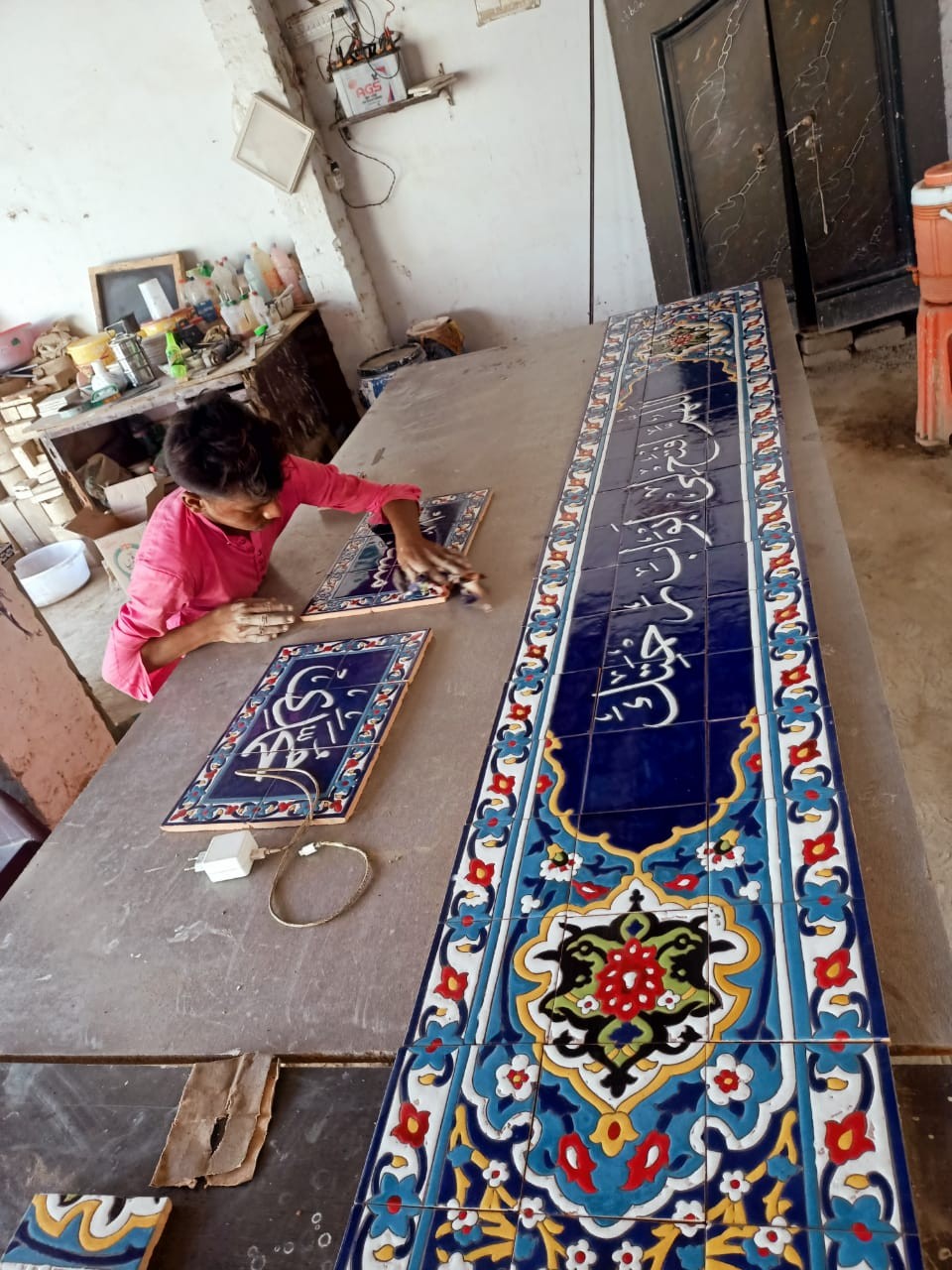
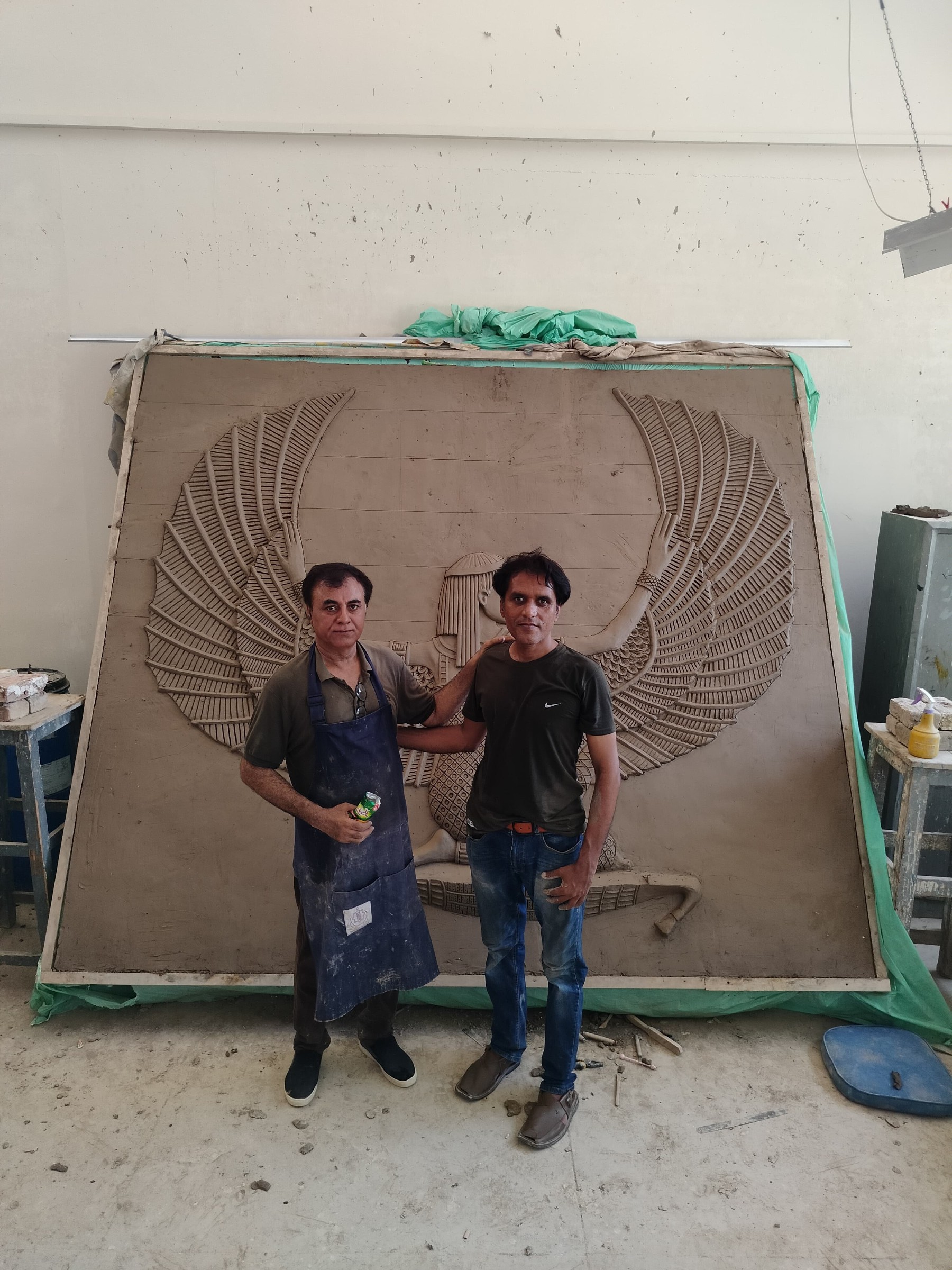
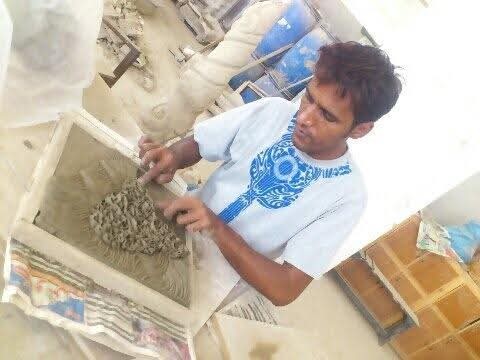
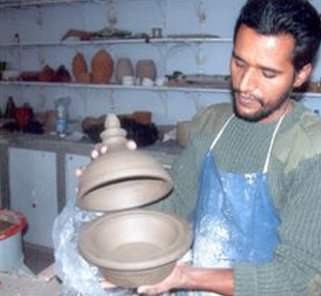
Materials: Natural clay bodies prepared by hand, traditional mineral-based glazes (copper for turquoise, cobalt for deep blue, manganese for black), and quartz-frit binders — all sourced locally, some from the same deposits your family has used for centuries. Time per piece: A single hand-painted tile takes 5–7 days — from wedging clay and hand-cutting the shape, to applying slip, painting oxides under a transparent glaze, and firing twice. A large mural or complex pottery piece (like a decorated vase or calligraphic platter) takes 2–4 weeks, as each color layer requires a separate drying and sometimes a separate low-fire or high-fire cycle. Bespoke briefs: When a client gives a concept or a space's dimensions, you first make a small glazed color and pattern sample. Once approved, you map the design by hand — no digital printing. Every curve, arabesque, and inscription is drawn and carved or painted individually. For murals, you number each tile like a puzzle, fire extras for breakage, and personally oversee installation if possible. Rejected pieces are never sold — they're kept as study references or crushed for grog.
Inside the studio
Where the work happens
Other voices