Amber
Arifeen's practice draws on Merleau-Ponty’s philosophical notions of embodiment. For him, the physical body is the ‘ground for all perception’ as knowledge is continuously constituted and…
Read more about Amber →Currently available
11 originals available
About Amber
+
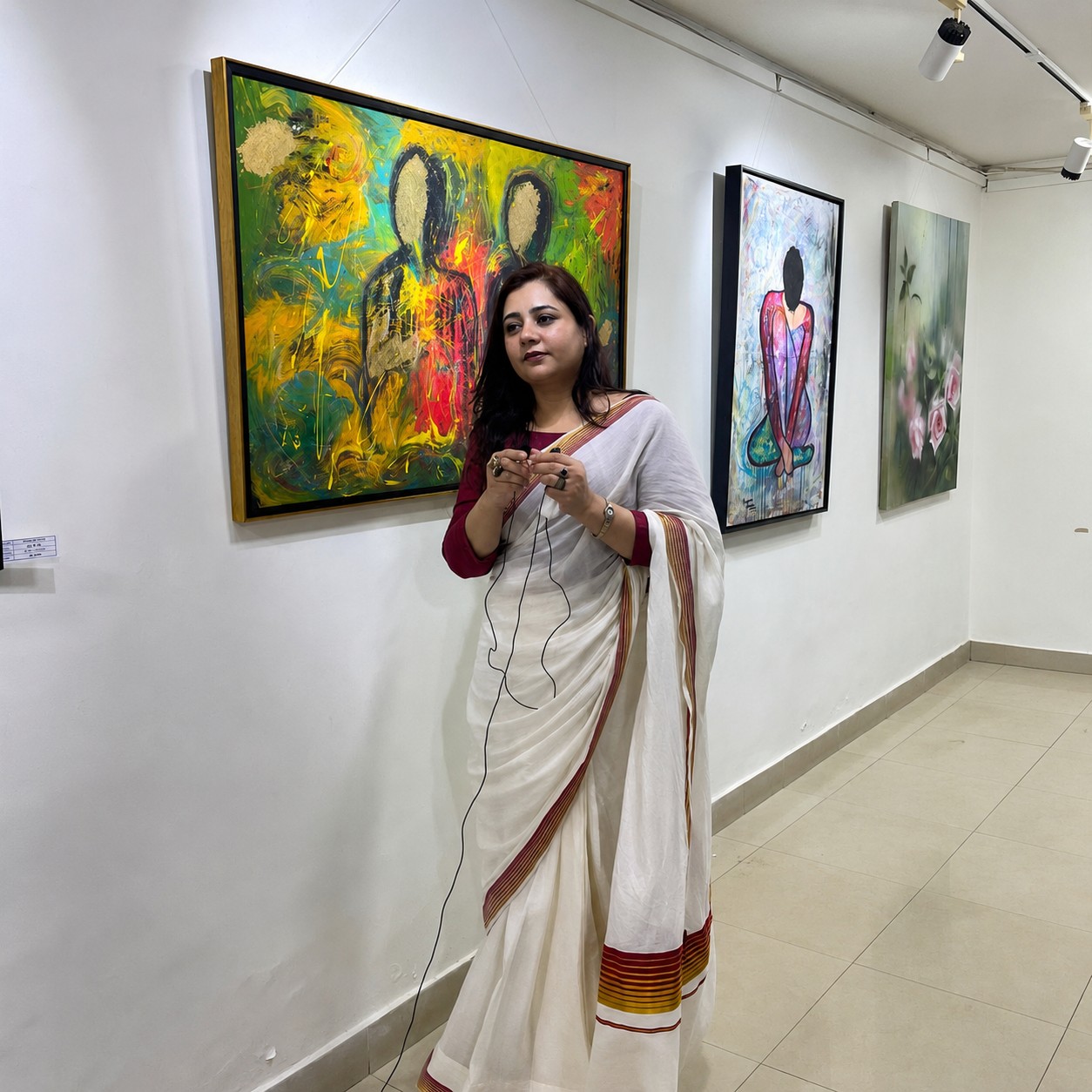
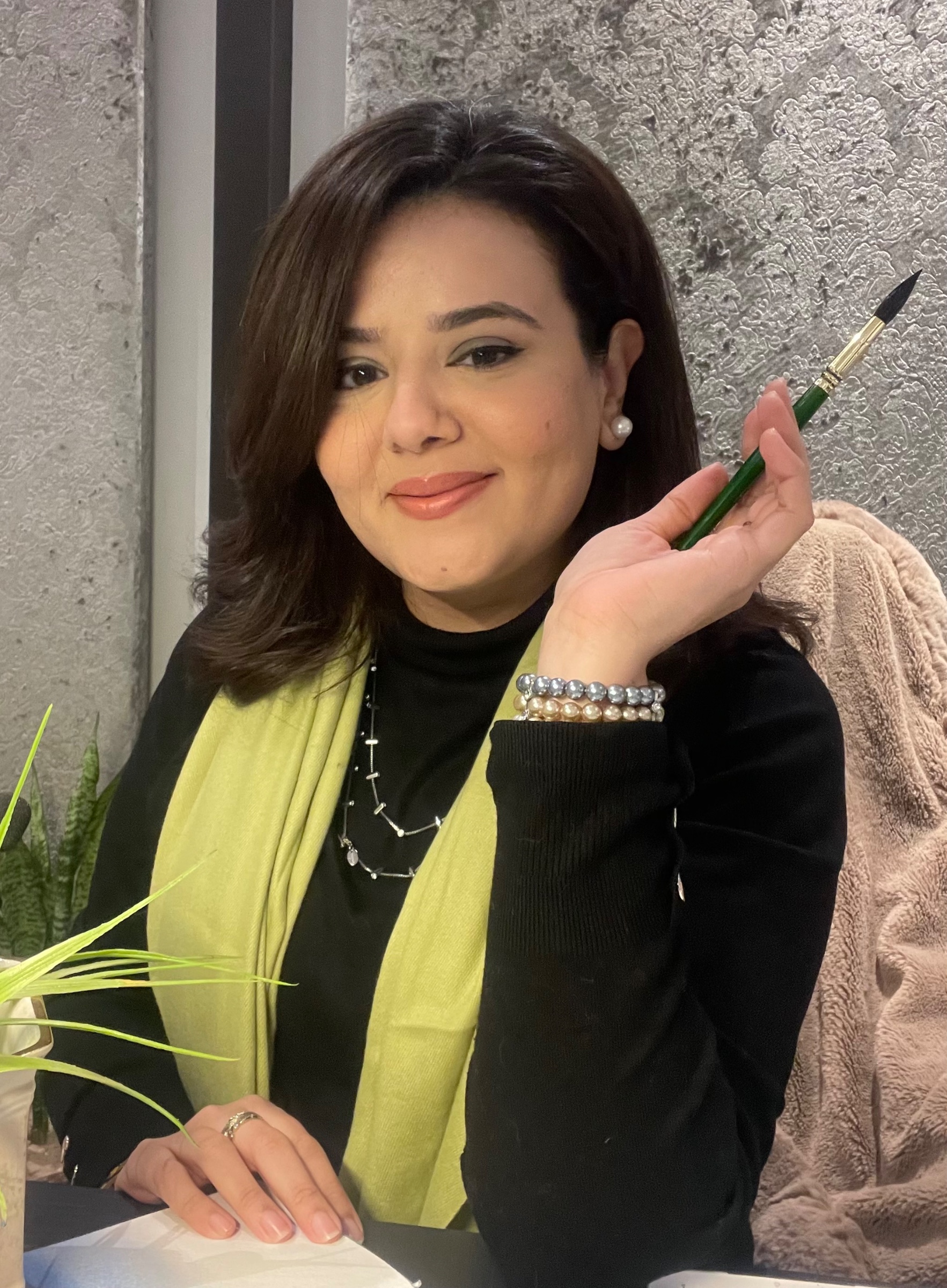
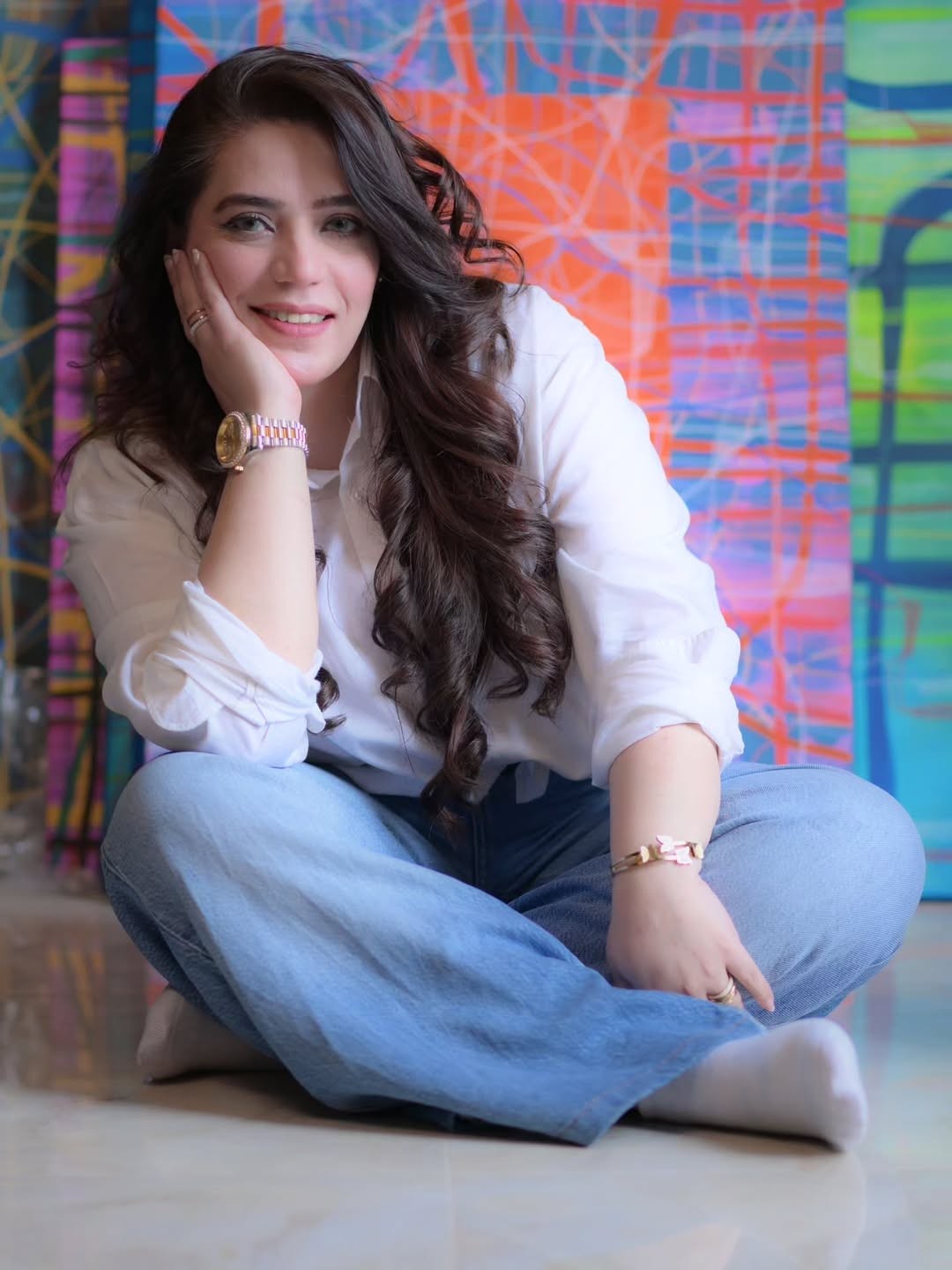
Amber Arifeen completed her masters in painting from Wimbledon College of Arts in 2019. She is a Pakistan – American visual artist, born and raised in Pakistan. After graduating from U.C Berkeley in 2011, she returned to Pakistan to work with an international women’s reproductive health organization, which gave her exposure to the contrasting realities of women living in Pakistan, across different classes, and to the ties that bind them. Her feminist practice and interest in the South Asian female subject draws inspiration from philosophers she studied as an undergraduate at U.C Berkeley and these experiences of living abroad and in Pakistan. Since then, she has had four solo shows and participated in several group shows in Karachi, Islamabad, Dubai, Paris, Berlin, and London. She will be debuting her work in the USA in February 2023, in Los Angeles. Her practice has evolved and expanded to include painting, performance, sound, animation, film and sculpture. In October of 2021 she was invited to participate at Domus Residency - an eco-feminist residence located in Southern Italy.
How Amber works
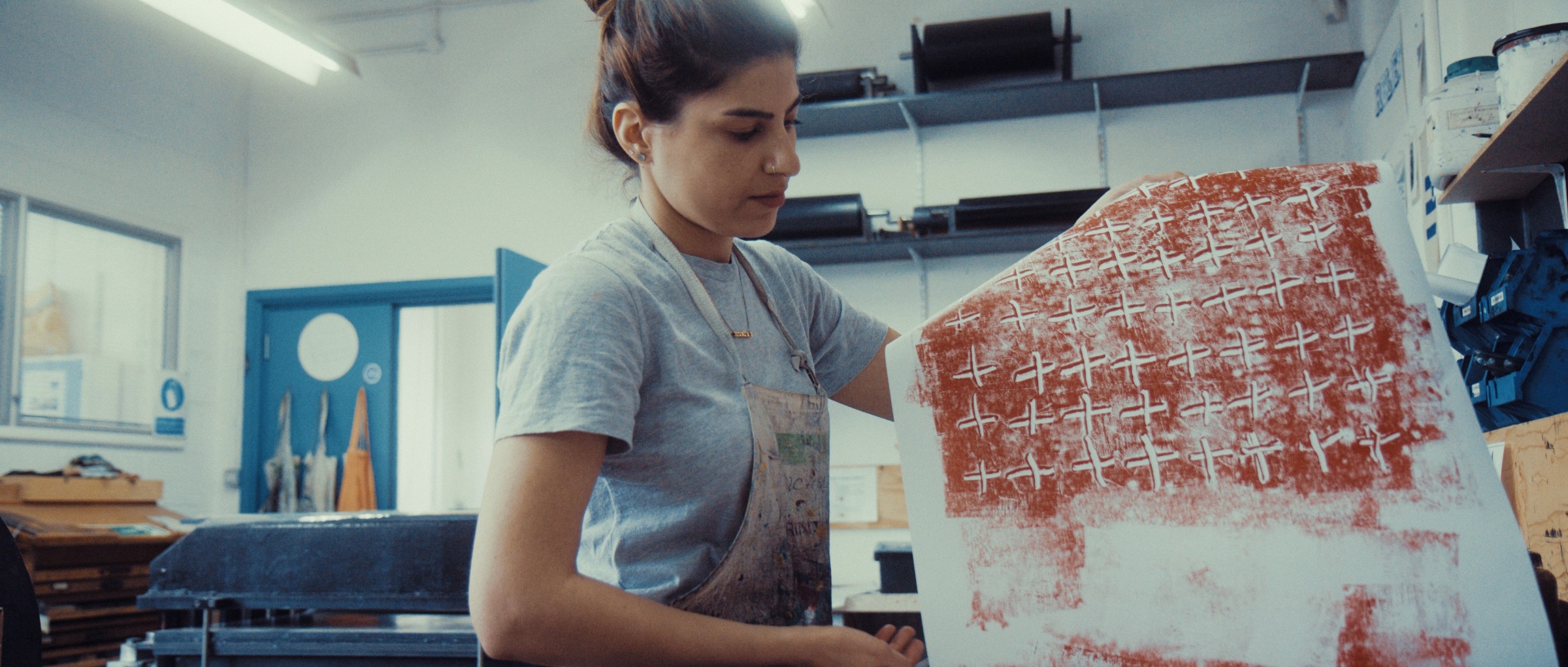
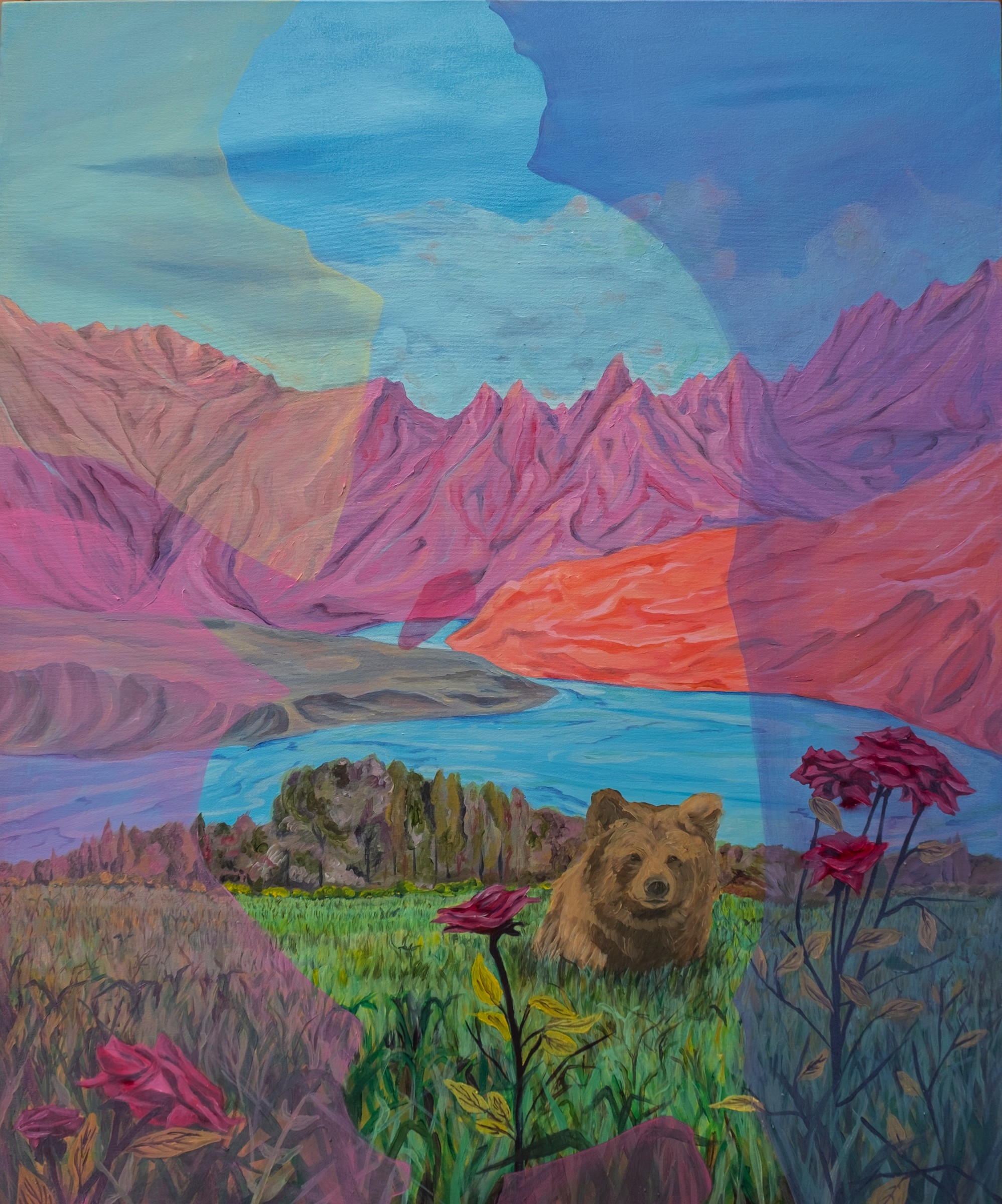
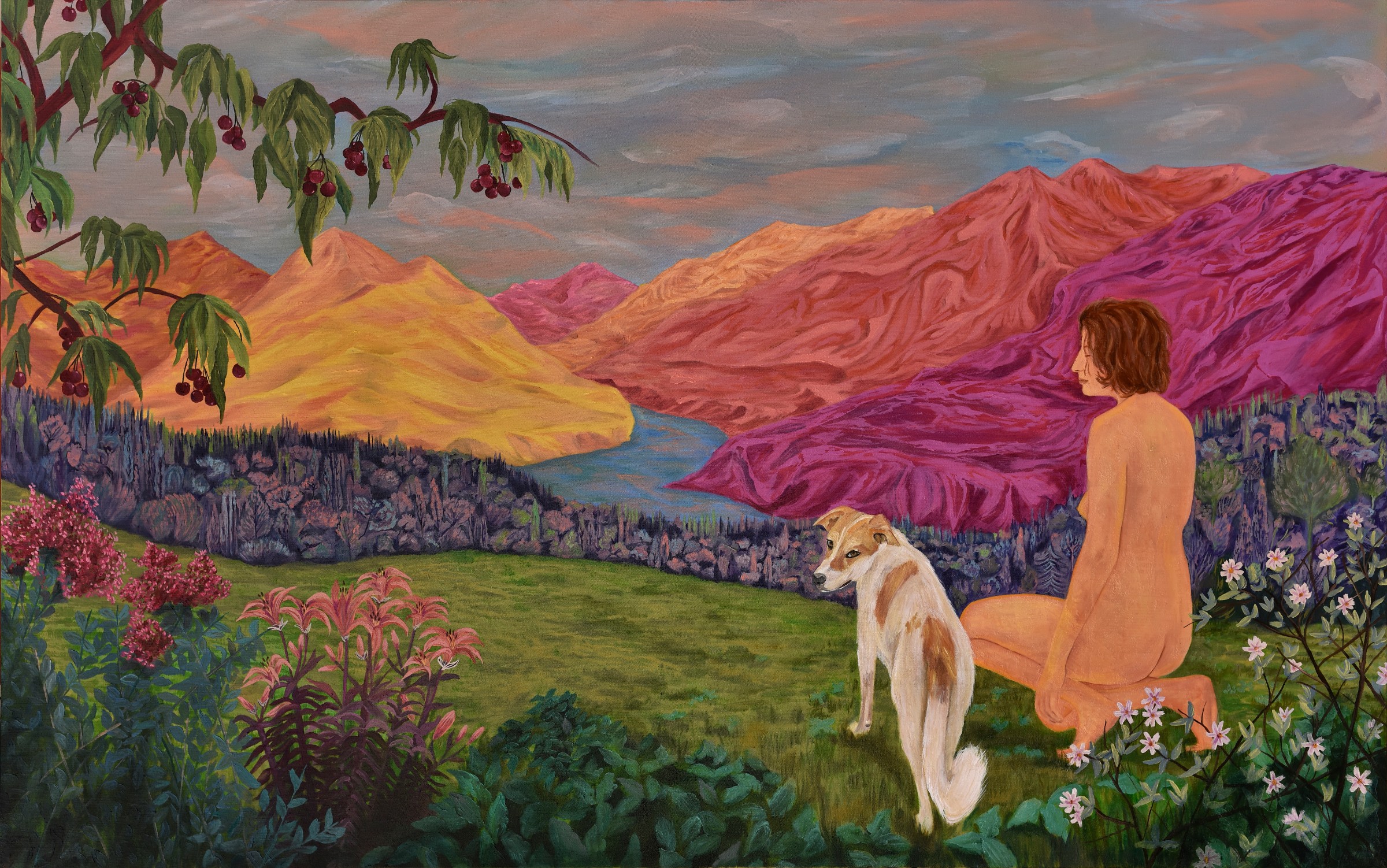
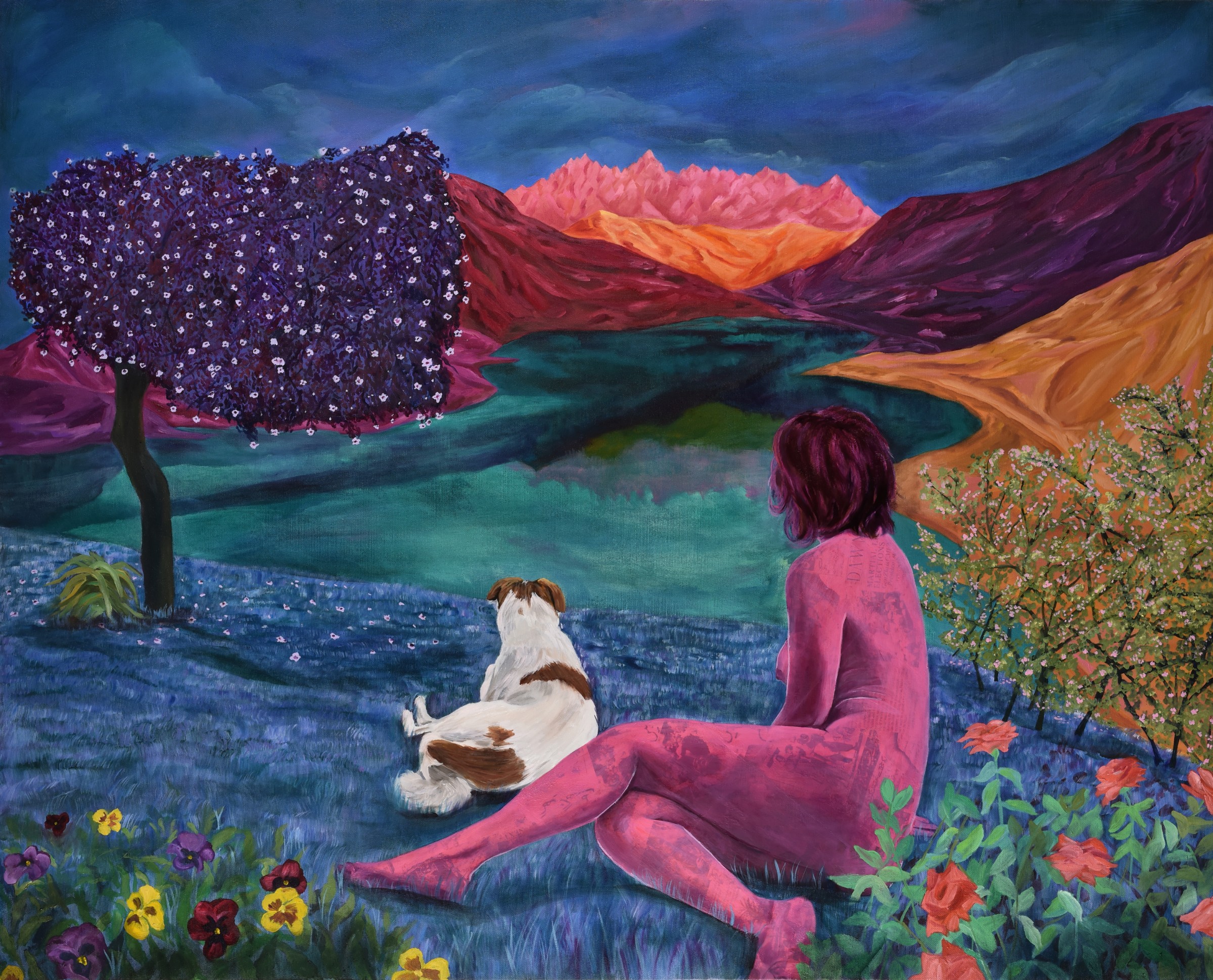
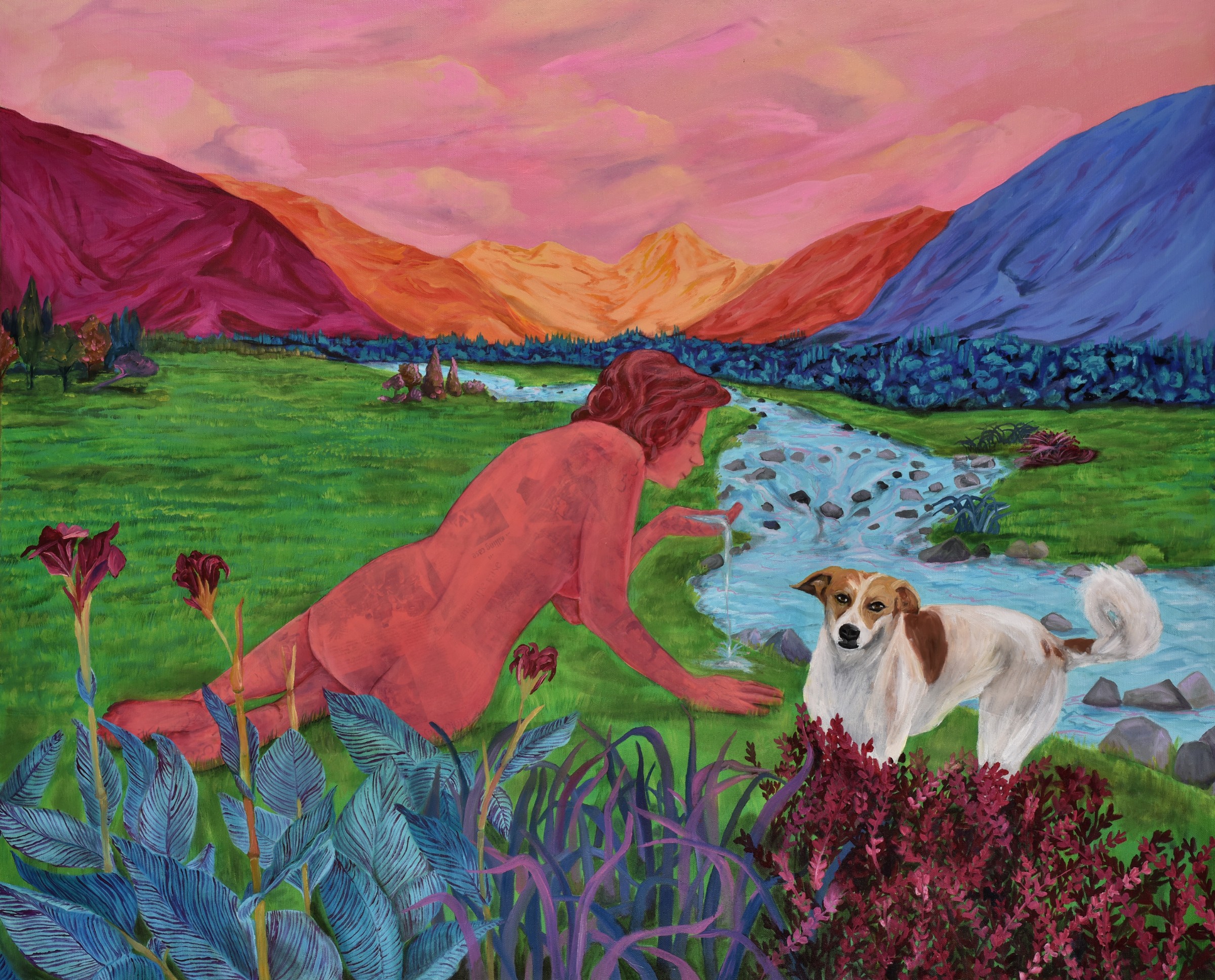
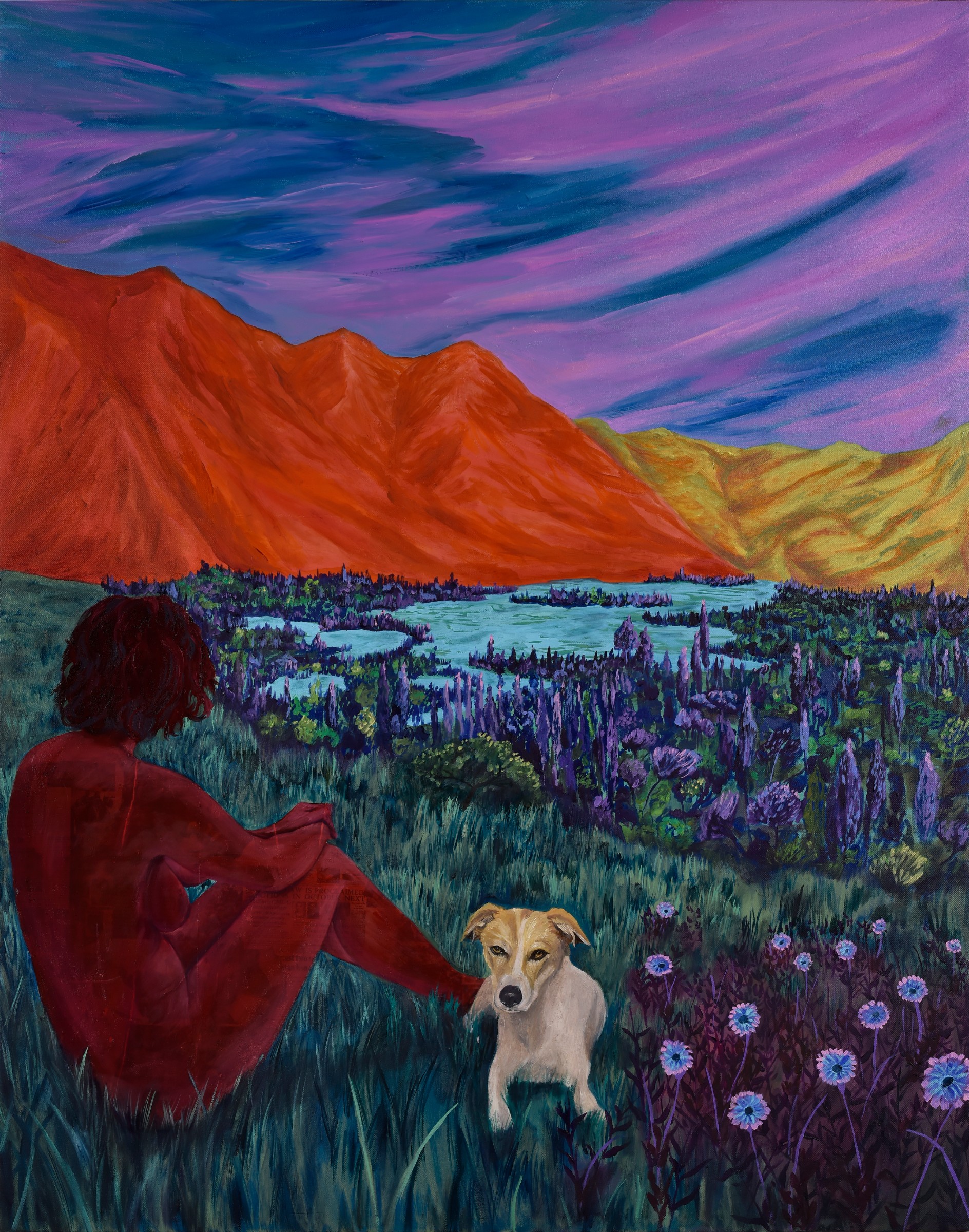
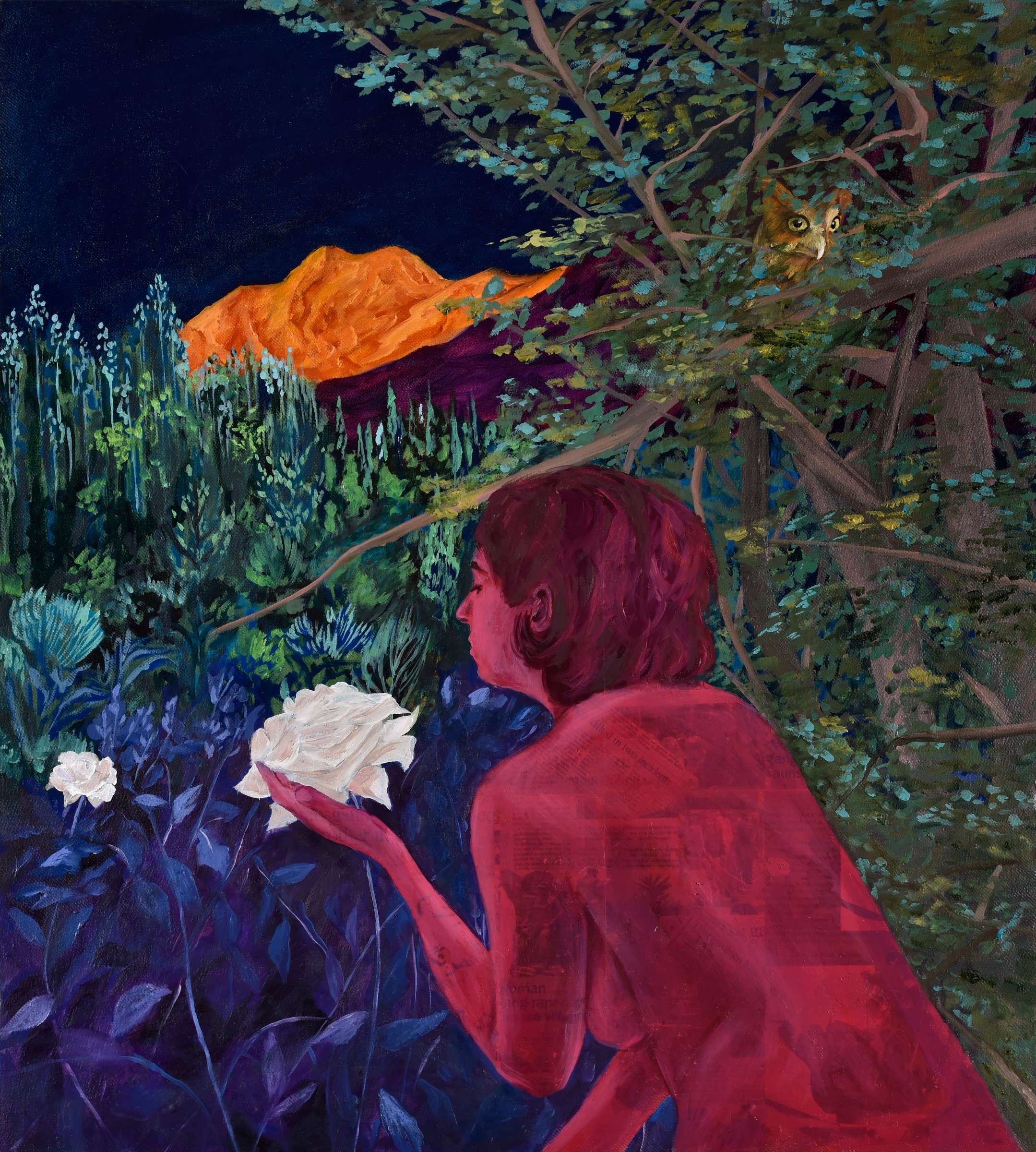
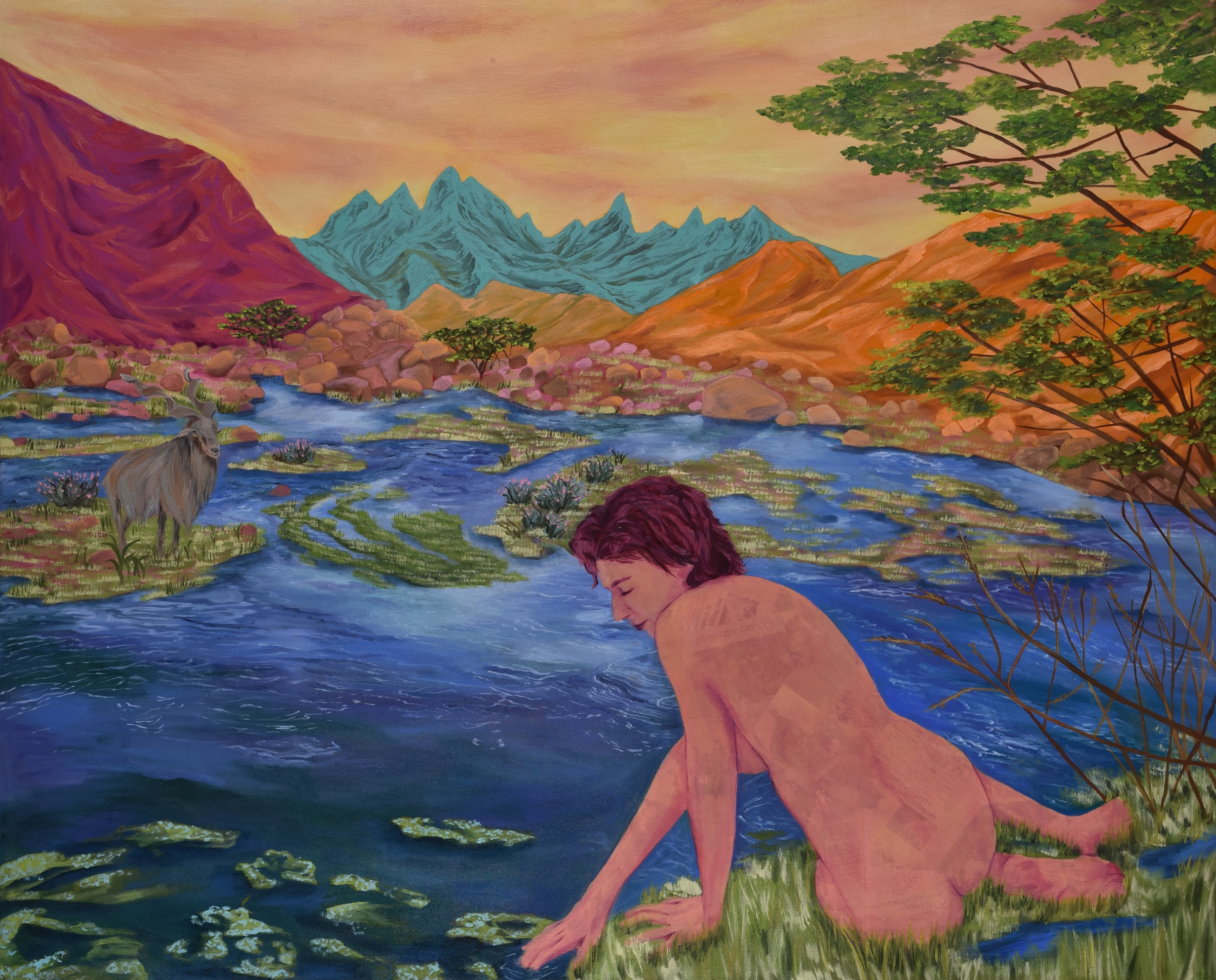
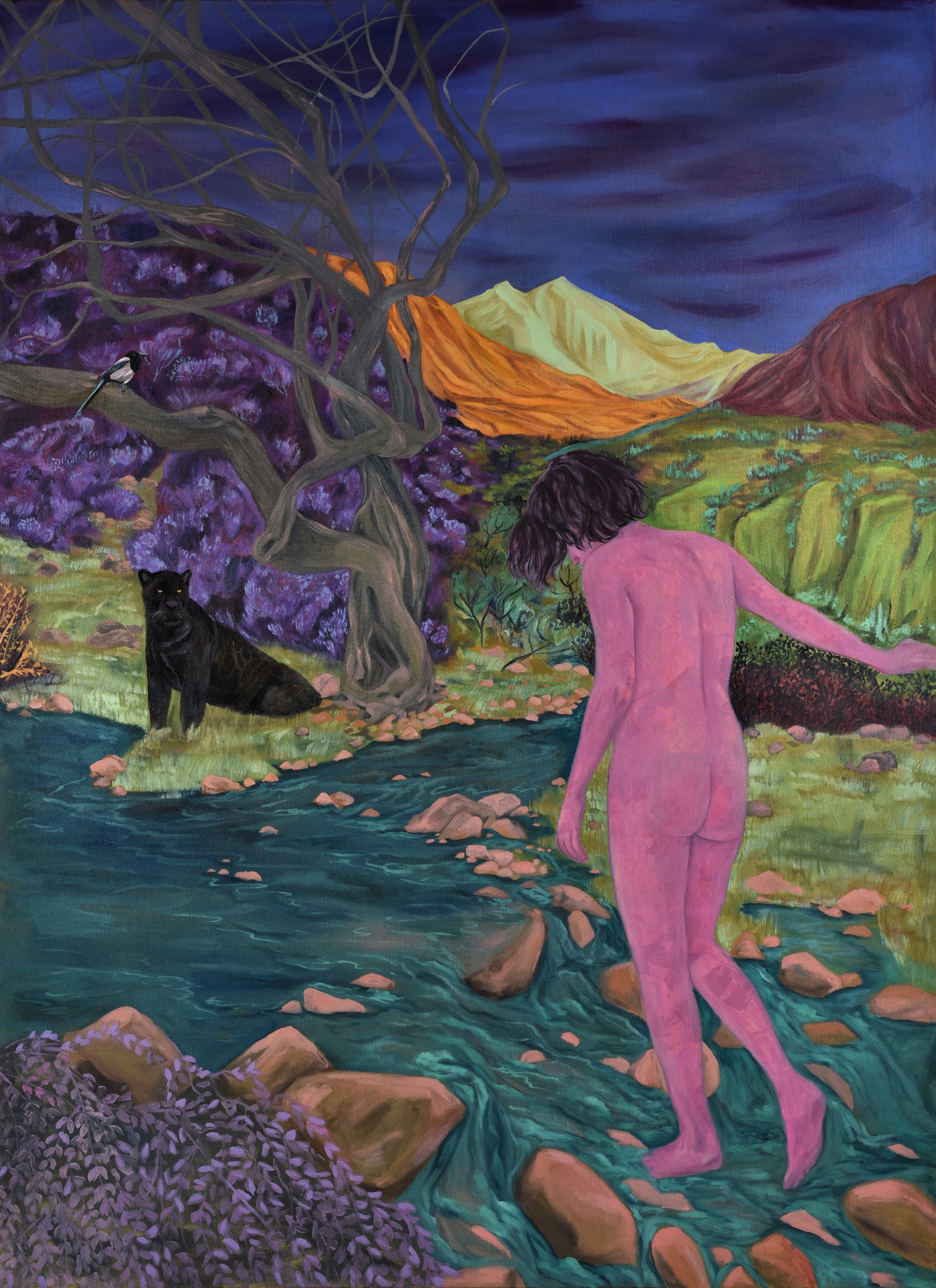
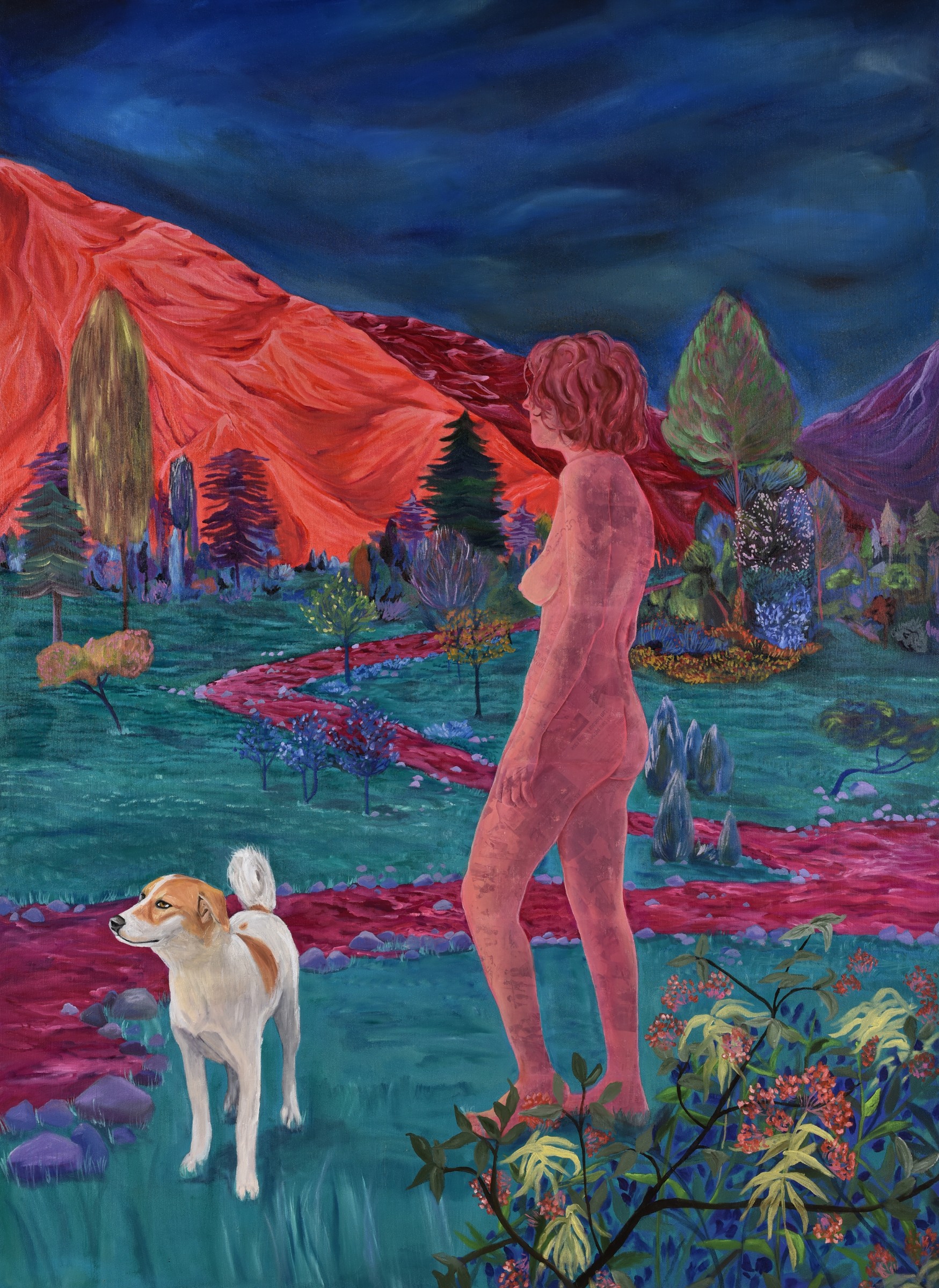
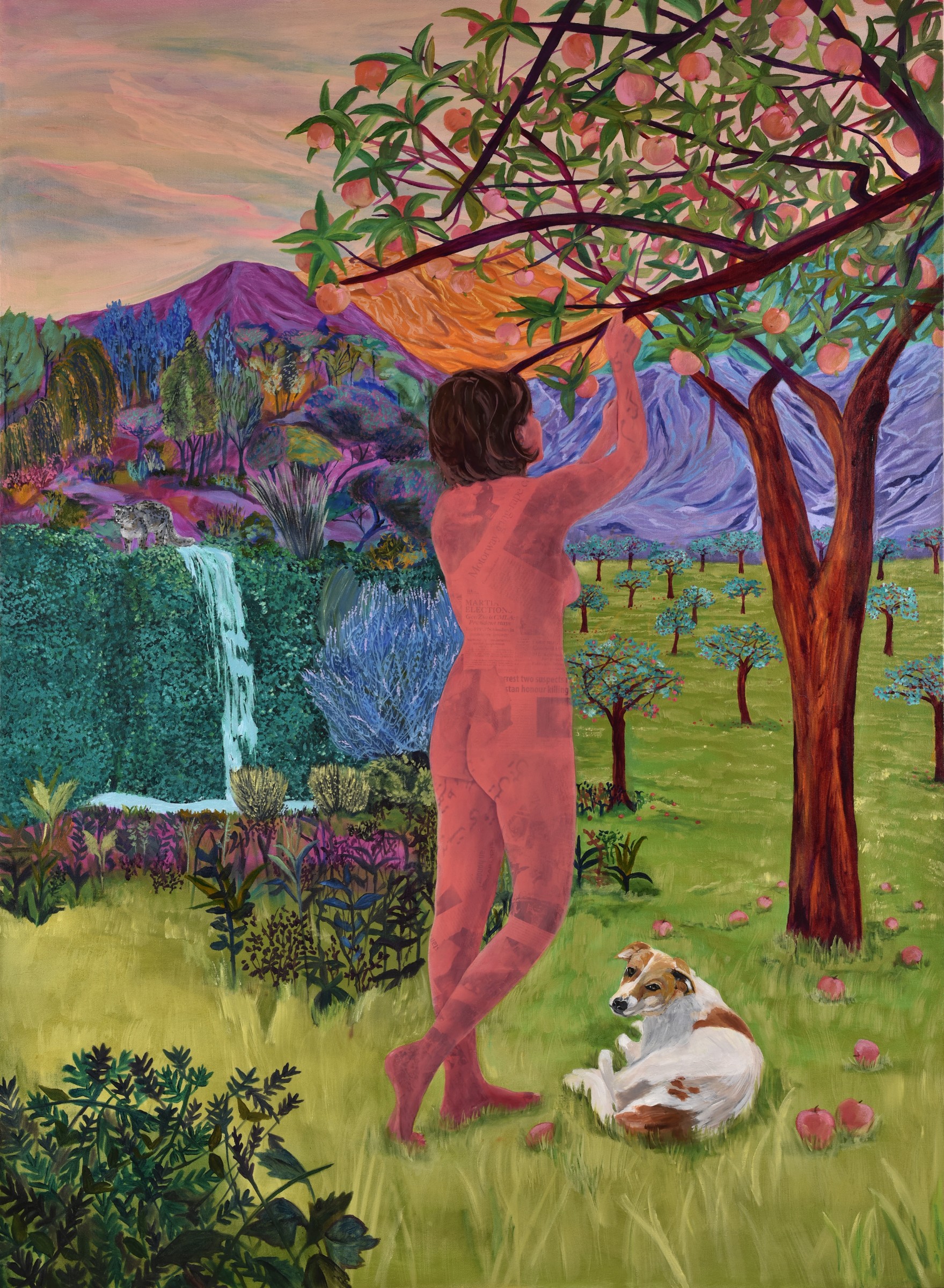
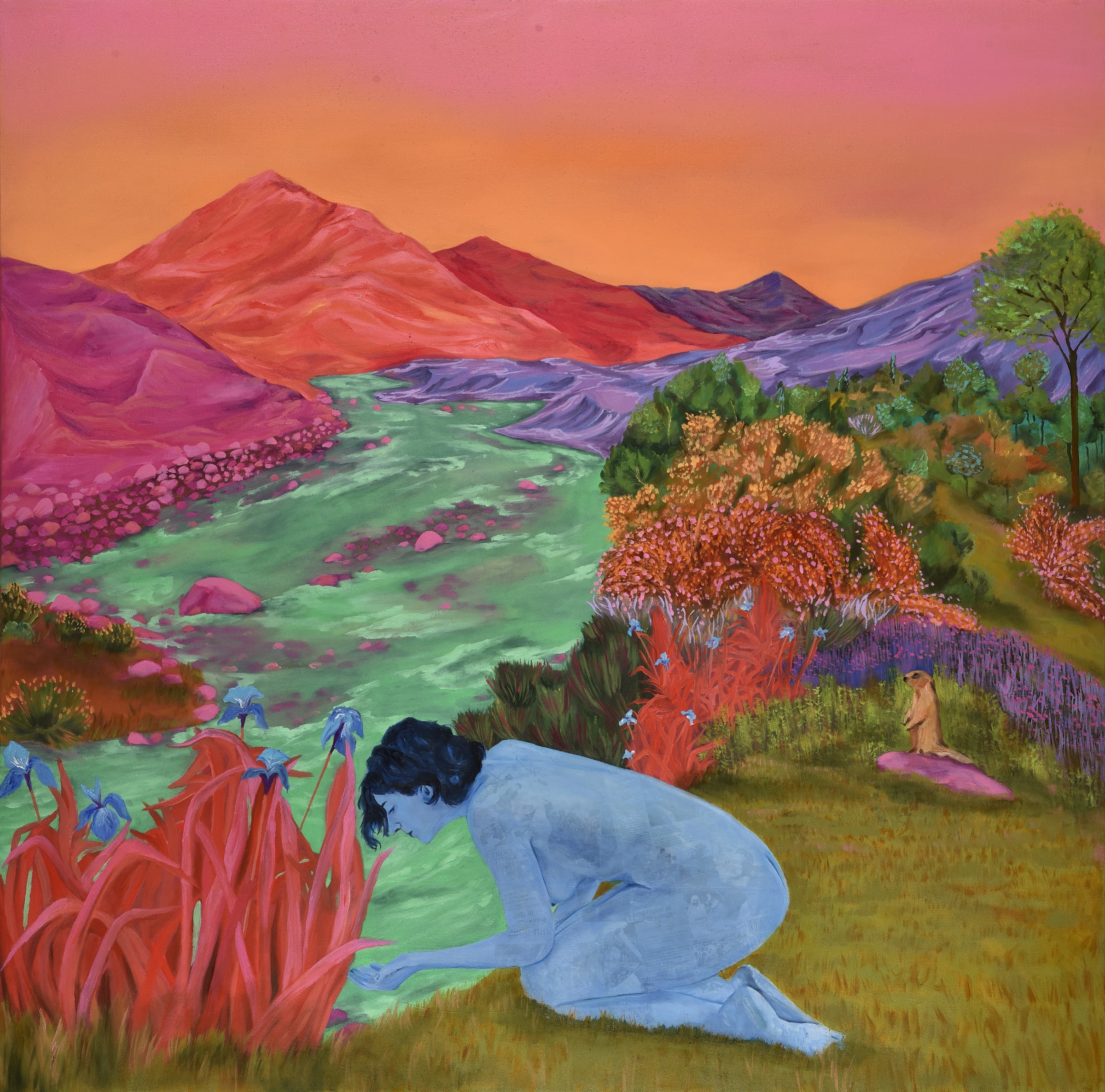
In painting and sculpture, I use two-dimensional mark-making and my own bodily movements to capture the flows of knowing, seeing and embodied intermingling specific to the South Asian female and their everyday environments. Playing with spaces, surface, colour, and texture and images is a process of subversion and protestation, enabling me to explore their physical and psychological interiorities. Hidden between thin, translucent layers of oil paint, I transfer newspaper clippings deep within the figures I paint. This allows for the collapse of interlocking ideas having to do with the post-colonial subject, gendered orientalism, and the stereotypical sexuality of the female body to make way for new forms of subjectivity and spectatorship.
Other voices